I used to think that keeping a kitchen looking decent meant spending half my paycheck on those specialized, high-end spray canisters that promise a “mirror finish” but mostly just leave behind a greasy film. Growing up in a cramped apartment where we had to make everything last, I learned pretty quickly that most of those expensive “pro” products are just marketing hype designed to make you feel like you’re failing at adulthood if you don’t own them. If you’ve ever spent twenty minutes scrubbing a fridge only to end up with more streaks than when you started, you’re probably wondering how to clean stainless steel without losing your mind—or your entire Saturday afternoon.
I’m not here to sell you on a ten-step ritual involving rare oils or boutique cleaners. I want to show you how to get your appliances looking sharp using stuff you likely already have in your cupboard. My goal is to give you a straightforward, repeatable method that actually works, so you can stop obsessing over every fingerprint and get back to your actual life. Let’s strip away the complexity and just get the job done right.
Table of Contents
Mastering the Art of Cleaning Grain Direction Stainless Steel
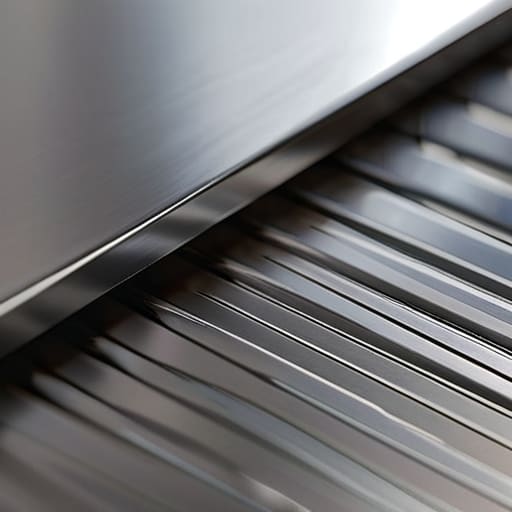
This is where most people mess up. If you look closely at your appliances—really look—you’ll see these tiny, faint lines running either horizontally or vertically across the surface. That’s the grain. Think of it like the grain in a piece of wood I’m restoring in my workshop; if you scrub against it, you aren’t just moving dirt around, you’re actually risking micro-scratches that make the metal look dull over time. When you’re cleaning grain direction stainless steel, your goal is to move your cloth with those lines, never across them.
I used to think scrubbing harder meant a better clean, but I was just making more work for myself. By following the grain, you’re actually lifting debris out of those microscopic grooves rather than jamming it deeper into them. This is also the secret to removing fingerprints from stainless steel effectively. If you fight the grain, you’ll just smear the oils around, leaving those annoying streaks that make your kitchen look messy. Just stay steady, follow the lines, and let the physics do the heavy lifting for you.
The Best Cleaning Products for Metal Surfaces That Actually Work
Look, you don’t need a cabinet full of expensive, specialized sprays that promise “miracle shines” but mostly just leave a chemical film behind. I’ve learned through trial and error—and a few ruined thrifted sideboards—that the best cleaning products for metal surfaces are usually the ones you already have in your pantry. If you’re dealing with heavy grime, a standard grease-cutting dish soap diluted in warm water is your best friend. It’s gentle, effective, and won’t strip the finish.
For those of us constantly battling the mess of daily life, cleaning stainless steel with vinegar and oil is my go-to hack for a professional finish. Use a 1:1 mix of white vinegar and water in a spray bottle to cut through grease and lift residue. Once the surface is clean and dry, take a tiny drop of olive oil or mineral oil on a microfiber cloth to buff it out. This isn’t just about aesthetics; it’s one of the most effective stainless steel polishing techniques for removing fingerprints from stainless steel and creating a barrier that helps in preventing water spots on steel later on. Keep it simple, and you’ll save both time and money.
My Low-Stress Cheat Sheet for a Spotless Finish
- Stop the scrubbing madness. If you aren’t wiping in the direction of the grain, you’re just pushing dirt into the microscopic grooves and making more work for yourself later.
- Skip the expensive, branded “specialty” sprays. A simple mix of warm water and a drop of dish soap does 90% of the heavy lifting without leaving a weird, chemical film behind.
- Ditch the paper towels if you can. They tend to leave behind those annoying little white lint bits; a clean microfiber cloth is much more efficient and lasts longer.
- For those stubborn, greasy fingerprints that just won’t budge, a tiny drop of olive oil on a dry cloth works like magic to buff the surface back to life.
- Check your tools before you start. Make sure whatever sponge or cloth you’re using is grit-free; you don’t want to accidentally scratch a surface you’ve spent twenty minutes cleaning.
The Quick Cheat Sheet
Always follow the grain; scrubbing against it is the fastest way to leave permanent scratches that no amount of cleaning will fix.
Keep it simple with mild soap or specialized sprays, but stay away from harsh abrasives like steel wool that will wreck the finish.
Microfiber is your best friend—use a clean, dry cloth to buff the surface at the end to get that streak-free shine without the extra effort.
## The Reality of the Shine
“You don’t need a cabinet full of expensive, specialized sprays to get a decent shine; you just need to stop fighting the metal and start working with the grain.”
Owen Silas Vance
Keeping That Shine for the Long Haul
At the end of the day, keeping your stainless steel looking sharp isn’t about buying a dozen specialized, overpriced sprays. It really comes down to two things: respecting the grain direction and using the right tools for the job. Whether you’re opting for a simple mix of mild soap and water or a dedicated cleaner, just remember that consistency beats intensity every single time. Don’t wait until the fingerprints and grease buildup become a massive, intimidating project. A quick wipe-down once a week keeps the grime from settling in, saving you from the headache of a heavy-duty scrub session later on.
I know that when you’re staring at a smudged fridge or a dull stovetop after a long shift, it can feel like just one more thing on an endless to-do list. But honestly? Taking ten minutes to master this one small task is a win. It’s about taking ownership of your space and realizing that you don’t need a professional crew to make your home feel put together. You’ve got the tools, you know the steps, and now you’ve got the confidence to get it done. So, grab your cloth, find that grain, and just start doing it.
Frequently Asked Questions
Can I use vinegar and olive oil if I don't want to buy specialized cleaners?
Short answer: Yes, but with a caveat. Vinegar is great for cutting through grease and those annoying water spots, but it’s an acid, so don’t let it sit too long. For the shine, a tiny bit of olive oil works as a polisher, but use it sparingly. If you go overboard, you’ll just end up with a sticky, fingerprint magnet. Mix a bit of vinegar with water to clean, then buff a drop of oil on a dry cloth to finish.
Is it safe to use steel wool or abrasive sponges if the stains are really stubborn?
Look, I get the temptation when you’re staring down a burnt-on mess, but please, put the steel wool away. It’s way too aggressive. Even if it looks like it’ll work, those tiny metal fibers will leave permanent micro-scratches that ruin that smooth finish forever. Instead, try a paste of baking soda and a little water. It gives you enough grit to lift the grime without destroying the surface. Patience over power, every time.
How do I get rid of those annoying water spots without leaving streaks behind?
Those spots are the worst, especially when you feel like you’ve just scrubbed for twenty minutes only to see more streaks. The trick isn’t more soap; it’s the drying process. After you clean, use a dedicated microfiber cloth—not a paper towel—and buff it in small, circular motions. If they’re stubborn, a tiny drop of olive oil on a fresh cloth can help buff out the residue and add a protective shine.