I still remember the smell of stale cardboard and floor wax from my first solo move into a cramped studio apartment. I had spent my entire savings on “premium” moving kits and fancy color-coded labels, thinking that if I just bought enough stuff, the process would magically become easier. Instead, I ended up sitting on a pile of overpriced boxes, staring at a mountain of clutter and realizing I’d just wasted money on things I didn’t actually need. Most of the moving tips you see online are designed to sell you a lifestyle or a specific brand of organizer, rather than actually helping you get from point A to point B without losing your mind.
I’m not here to sell you on a “perfectly aesthetic” transition or a suite of expensive services you can’t afford. My goal is to give you the actual mechanics of a move—the stuff that works when you’re working with a tight budget and a limited amount of energy. We’re going to focus on practical, high-impact strategies that prioritize your time and your cents. Consider this your no-nonsense blueprint for getting your life into boxes and into your new space without the unnecessary chaos.
Table of Contents
- Decluttering Before Moving Stop Paying to Move Junk
- Organizing Belongings for Relocation Without the Chaos
- 5 Ways to Keep Your Sanity (and Your Wallet) During the Move
- The Bottom Line: How to Move Without Losing Your Mind
- The Golden Rule of Packing
- The Finish Line is Just the Beginning
- Frequently Asked Questions
Decluttering Before Moving Stop Paying to Move Junk

Look, I learned this the hard way when I moved into my first studio: if you haven’t touched it in a year, you probably don’t need to pay a stranger to wrap it in bubble wrap and haul it across town. Decluttering before moving isn’t just about being tidy; it’s about protecting your bank account. Every extra box you pack is more weight for the movers and more space you’ll have to find in your new place. I always grab my notebook and make three piles: keep, donate, and trash. If it’s broken or just “meh,” let it go.
When you start organizing belongings for relocation, be ruthless. I once spent an entire weekend realizing I had three nearly identical sets of mismatched kitchen tools I never actually used. Getting rid of that stuff now means you won’t be fighting with cramped cabinets in your new apartment later. It also makes your eventual budgeting for relocation costs much easier, because you’ll know exactly how many boxes you actually need to buy instead of overestimating and wasting money on extra supplies.
Organizing Belongings for Relocation Without the Chaos
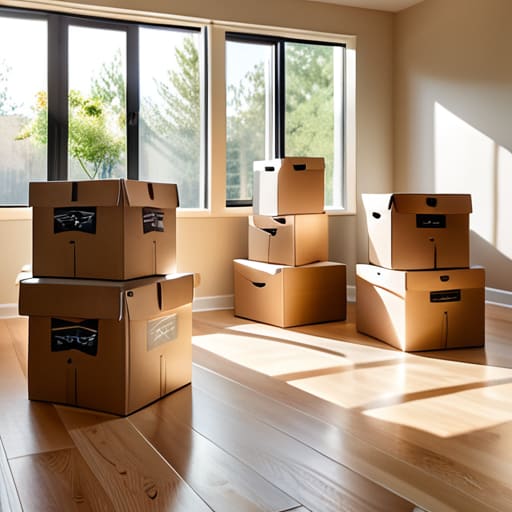
Once you’ve purged the junk, the next hurdle is actually getting your stuff into boxes without losing your mind. I’ve learned the hard way that if you just start throwing things into random containers, you’re going to spend your first week in the new place digging through mountain ranges of cardboard just to find a single spoon. The secret to organizing belongings for relocation is to stop thinking about “packing” and start thinking about “zones.” Group your items by how you actually use them—bathroom stuff stays together, kitchen basics stay together—and label every single box on the side, not the top. Trust me, when those boxes are stacked in a moving truck, you won’t be able to see the tops, and you’ll regret every unreadable lid.
Before you go full-tilt, make sure you’ve gathered your packing supplies essentials like heavy-duty tape, bubble wrap for the fragile stuff, and more markers than you think you’ll need. I always keep a dedicated notebook nearby to track which box contains what; it’s a small habit that saves hours of frustration later. Don’t try to pack the whole apartment in one marathon session. Pick one corner, finish it, and move on. Slow and steady wins this race.
5 Ways to Keep Your Sanity (and Your Wallet) During the Move
- Pack an “Essentials Kit” first. I always grab a dedicated backpack or small bin for the first night in the new place. Think: chargers, a change of clothes, basic toiletries, my multi-tool, and any meds. You don’t want to be digging through fifty taped-up boxes at midnight just to find your toothbrush.
- Don’t skimp on the good tape. I’ve learned the hard way that the cheap, flimsy stuff will snap halfway through a heavy box, and then you’re stuck cleaning up a mess of broken ceramics. Get the heavy-duty stuff; it’s a few extra bucks that saves you a massive headache.
- Label by room AND priority. Don’t just write “Kitchen” on a box. Write “Kitchen – Coffee Maker/Daily Dishes – OPEN FIRST.” It tells your future self exactly what needs to be unpacked immediately and what can sit in the corner for a week while you settle in.
- Take photos of your electronics before you unplug them. I do this with the back of my TV and my computer setup every single time. When you’re exhausted and trying to rebuild your workspace in a new apartment, having a visual reference for where every single cord goes is a lifesaver.
- Use what you already have for padding. You don’t need to go out and buy rolls of expensive bubble wrap for everything. I use my thickest socks, kitchen towels, and even my t-shirts to wrap fragile items. It saves money, and it means you have fewer random things to unpack and put away later.
The Bottom Line: How to Move Without Losing Your Mind
If you haven’t touched it or used it in a year, don’t waste your money (or your back) moving it; sell it, donate it, or toss it.
Label your boxes by room and priority, not just contents, so you aren’t digging through twenty taped-up cartons just to find your toothbrush on night one.
Focus on progress over perfection; you don’t need a color-coded spreadsheet to move successfully, you just need a solid plan and a few extra rolls of packing tape.
The Golden Rule of Packing
“Moving isn’t about how many boxes you can stack; it’s about how much of your old life you’re actually willing to carry into your new one. If you haven’t touched it in a year, don’t pay a mover to carry it for you.”
Owen Silas Vance
The Finish Line is Just the Beginning
Look, moving is a massive undertaking, and there’s no way to sugarcoat it—it’s going to be exhausting. But if you actually took the time to declutter the junk you don’t need and stayed disciplined with your organization, you’ve already won half the battle. You aren’t just moving boxes; you’re moving a curated version of your life into a new space. By following these steps, you’ve saved yourself from that dreaded “first night meltdown” where you’re digging through fifty identical unmarked boxes just to find a toothbrush. Stick to the system, keep your receipts organized, and remember that preparedness is your best defense against the chaos of transition.
At the end of the day, don’t let the stress of the logistics overshadow why you’re moving in the first place. Whether you’re leveling up to a better apartment or just needing a fresh start, this transition is a chance to reset your environment on your own terms. Moving is one of those messy, loud, and expensive parts of adulthood, but it’s also a powerful way to prove to yourself that you can handle the heavy lifting. Take a breath, grab your multi-tool, and just keep moving forward. You’ve got this.
Frequently Asked Questions
How do I actually figure out if a piece of furniture is worth the cost of moving or if I should just sell it now?
Here’s my rule of thumb: use the “Value-to-Weight” test. If it’s a high-quality solid wood piece—something you’d actually spend time restoring—it’s worth the haul. But if it’s particle board or IKEA stuff that’s seen better days, the cost of a truck and your physical energy usually outweighs its worth. If you wouldn’t pay someone to move it, don’t pay to move it. Sell it, grab the cash, and start fresh.
What’s the best way to pack a kitchen without spending a fortune on specialized bubble wrap and boxes?
Look, you don’t need a professional moving kit to protect your plates. I save a ton by raiding my recycling bin first. Use your dish towels, oven mitts, and even those thick winter sweaters to wrap glassware—it’s basically free padding. For smaller items, stuff your socks inside mugs to prevent cracking. If you need more structure, grab some old newspapers or even clean egg cartons. It’s not about being fancy; it’s about being resourceful.
How do I keep track of all my stuff so I’m not digging through twenty identical boxes just to find my coffee maker on the first morning?
Labeling your boxes with just “Kitchen” is a trap. You’ll end up staring at a wall of brown cardboard, praying for a miracle. Instead, use a numbering system. Label a box “Kitchen #4” and keep a running list in your pocket notebook or a simple Notes app: Box #4: Coffee maker, two mugs, French press. It takes ten extra seconds per box, but it saves you an hour of frantic digging on move-in morning.