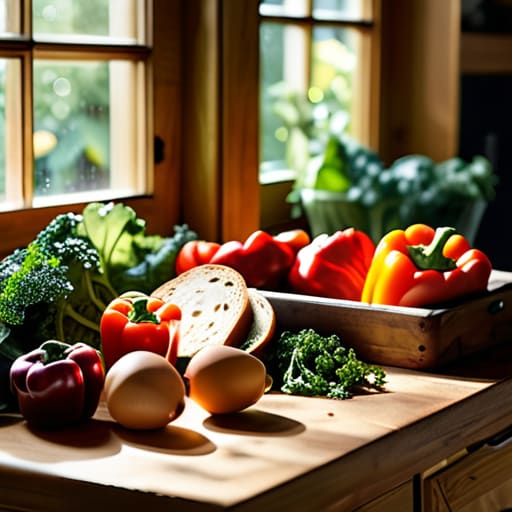
I remember sitting at our cramped kitchen table in my childhood apartment, staring at a receipt that felt like a personal insult. My siblings and I were watching my parents try to make twenty bucks stretch across three days of meals, and I learned early on that “budgeting” isn’t some aesthetic lifestyle trend you see on TikTok—it’s a survival skill. Most of the advice you find online about how to lower food costs is absolute garbage, usually involving expensive “organic” meal prep kits or complicated apps that take more time than they actually save you. I’m tired of the idea that you have to eat bland, depressing mush just to keep your bank account from hitting zero.
I’m not here to sell you a dream or a complicated system that requires a degree in nutrition. Instead, I’m going to show you the practical, unglamorous tactics I use to keep my pantry stocked without draining my paycheck. We’re going to strip away the gatekeeping and focus on the actual mechanics of shopping, prepping, and utilizing what you already have. My goal is to give you a straightforward toolkit so you can stop stressing about the checkout total and start feeling like you’re actually in control of your life.
Table of Contents
- Mastering Smart Grocery List Strategies to Stop Impulse Buying
- Meal Planning for Savings Without the Kitchen Chaos
- 5 Ways to Cut Costs Without Eating Like a Broke College Student
- The Bottom Line: How to Keep Your Food Budget in Check
- The Real Cost of Convenience
- Cutting Costs Without Cutting Quality
- Frequently Asked Questions
Mastering Smart Grocery List Strategies to Stop Impulse Buying
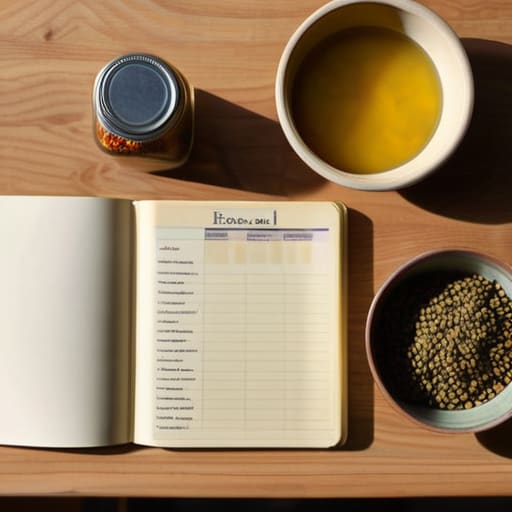
The biggest mistake I see people make is walking into a store without a battle plan. When you wander the aisles aimlessly, you aren’t just shopping; you’re being targeted by marketing designed to make you grab things you don’t need. To fight back, you need to treat your list like a blueprint. I’ve found that meal planning for savings is the only way to stay disciplined. Before you even leave the house, look at what you already have in your cabinets. There is no point in buying a second jar of cumin if you’ve got one hiding in the back of the pantry.
Once you have your plan, write your list based on the layout of the store rather than the type of food. Grouping your items by aisle—produce, grains, dairy—prevents you from zig-zagging back and forth, which is usually when those impulse buys sneak in. I also swear by keeping a running list on my phone throughout the week. When I notice I’m low on affordable pantry staples like rice or beans, I jot it down immediately. This way, my grocery shopping on a budget is intentional, not a reaction to a sudden craving.
Meal Planning for Savings Without the Kitchen Chaos
Look, I used to think meal planning meant spending my entire Sunday afternoon prepping twelve identical Tupperware containers of steamed broccoli and chicken. That’s not a plan; that’s a chore, and it’s exactly why most people quit after week one. Real meal planning for savings is much more fluid. It’s about looking at what you already have in your cupboards before you even touch a grocery app. I always check my pantry for those affordable pantry staples—like rice, lentils, or canned beans—and build my week around them. If I have a bag of dried pasta and a jar of marinara, I’m not buying a $15 frozen pizza on Tuesday night.
The trick to avoiding kitchen chaos is to plan for “component meals” rather than rigid recipes. Instead of deciding exactly what you’ll eat at 6:00 PM every night, plan to prep versatile ingredients. Roast a large tray of seasonal veggies and cook a big batch of grains. This approach is a game-changer for reducing food waste because you can pivot. One night it’s a grain bowl, the next it’s a quick stir-fry. You aren’t fighting a complex recipe after a long shift; you’re just assembling.
5 Ways to Cut Costs Without Eating Like a Broke College Student
- Embrace the “Pantry First” Rule. Before you even touch a grocery app, I open my cabinets and see what’s actually there. If I have a bag of lentils and half a box of pasta, that’s my dinner. Stop buying duplicates of things you already own just because they’re sitting in the back of the shelf.
- Stop Buying Pre-Cut Everything. I get it, convenience is tempting when you’re tired after work, but you’re paying a massive markup for someone else to use a knife. Buy the whole head of lettuce, the block of cheese, and the bag of carrots. It takes ten minutes of prep, but it saves you enough over a month to actually notice a difference in your bank account.
- Master the Art of Frozen and Canned Goods. Fresh produce is great until it turns into a science project in your crisper drawer. Frozen veggies are just as nutritious, they don’t spoil, and they’re way cheaper. Keep a stash of canned beans and tomatoes on hand—they’re the ultimate budget safety net for when you can’t make it to the store.
- Shop the Perimeter and the Sales Cycles. Most of the expensive, processed junk lives in the middle aisles. Stick to the edges for your staples—produce, proteins, and dairy. Also, pay attention to what’s actually on sale. If chicken thighs are half-off this week, that’s what we’re eating. Don’t let a recipe dictate your budget; let the prices dictate your menu.
- Learn to Cook One Base Ingredient Three Ways. This is how I avoid food fatigue. If I buy a big bag of rice, Monday is a stir-fry, Wednesday is a burrito bowl, and Friday is a fried rice situation. It keeps the cost per meal incredibly low and ensures you actually finish what you buy instead of letting it rot.
The Bottom Line: How to Keep Your Food Budget in Check
Shop your own pantry first to see what you actually have before you even think about walking into a store.
Stick to your list like it’s a blueprint; if it’s not on the paper, it doesn’t go in the cart.
Prioritize versatile, low-cost staples that can be repurposed into multiple meals to kill food waste and save cash.
The Real Cost of Convenience
“We’ve been conditioned to think that saving money on food means eating poorly, but it’s actually just about reclaiming your time and your agency. When you stop letting impulse buys and pre-packaged convenience dictate your budget, you aren’t just saving cents—you’re building the competence to actually sustain yourself.”
Owen Silas Vance
Cutting Costs Without Cutting Quality
At the end of the day, lowering your food costs isn’t about deprivation or eating nothing but plain rice; it’s about intentionality. We’ve covered how a disciplined grocery list keeps those impulse buys at bay and how a solid meal plan prevents that “what’s for dinner?” panic that usually leads to expensive takeout. By mastering these small, repeatable habits—from checking your pantry before you head out to actually using what you buy—you’re effectively plugging the leaks in your monthly budget. It’s about moving away from reactive spending and toward a system that actually works for your lifestyle and your wallet.
Look, I know that trying to “adult” your way into better finances can feel like a massive, overwhelming project. But just like restoring an old mid-century chair, you don’t fix the whole thing in one afternoon; you just focus on the next logical step. Don’t feel like you have to overhaul your entire kitchen overnight. Just pick one strategy we talked about today and stick to it for a week. Competence is a skill, and every time you choose a home-cooked meal over a delivery app, you’re building the muscle memory of someone who is truly in control. You’ve got this.
Frequently Asked Questions
How do I meal plan when my schedule is unpredictable and I end up grabbing takeout anyway?
Look, I get it. Some weeks are total chaos and a planned lasagna feels like a joke when you’re stuck in traffic at 8 PM. Stop trying to plan five-star meals and start planning for “emergency” nights. Keep a “low-effort kit” in your pantry—think high-quality canned beans, quick pasta, or frozen veggies. If you can’t cook, at least make the takeout a conscious choice, not a default. Aim for three planned meals, not seven.
Is it actually cheaper to buy in bulk, or am I just spending more money upfront on stuff I might not use?
It’s a trap if you aren’t careful. Bulk buying only works if you’re actually consuming the product before it expires or loses its quality. I’ve definitely fallen for the “great deal” on a massive bag of specialty flour only to let it sit in my pantry for six months. My rule of thumb? Only buy staples you use daily—rice, beans, coffee—in bulk. For everything else, stick to smaller amounts so you don’t waste money on clutter.
What are some ways to use up the random ingredients sitting in my pantry so they don't just go to waste?
Look, we’ve all been there: staring at a half-empty bag of lentils and a lonely can of chickpeas, wondering how they become a meal. My rule is simple: shop your pantry before you shop the store. Try the “Base + Protein + Green” method. Grab a grain you already have, toss in a canned protein, and whatever frozen veg is lurking in the back. It’s not gourmet, but it stops waste and saves your cash.