I grew up in a cramped apartment where the kitchen was basically a glorified hallway, and I quickly learned that a cluttered drawer full of “as seen on TV” junk is just a recipe for frustration. We’ve all been there—scrolling through endless lists of high-tech appliances that promise to change your life but end up just taking up precious counter space and gathering dust. The truth is, most of those flashy tools are just expensive distractions from the actual work of cooking. You don’t need a gadget for every single task; you just need a few kitchen gadgets worth buying that actually pull their weight when things get busy.
In this post, I’m stripping away the marketing hype to focus on the essentials. I’ve narrowed it down to five specific items that have survived my own trial and error in small, real-world kitchens. These aren’t just toys for people who love to cook; they are practical investments designed to save you time and mental energy. By the end of this, you’ll know exactly which tools will help you master your space without breaking your budget or cluttering your life.
Table of Contents
- The Chef’s Knife That Doesn't Break the Bank
- A Cast Iron Skillet That Lasts Forever
- Digital Scales for Precision Without the Stress
- An Immersion Blender for Easy Cleanup
- High-Quality Tongs for Total Control
- The Bottom Line on Building Your Kitchen
- ## The Philosophy of the Tool
- The Bottom Line
- Frequently Asked Questions
The Chef’s Knife That Doesn't Break the Bank
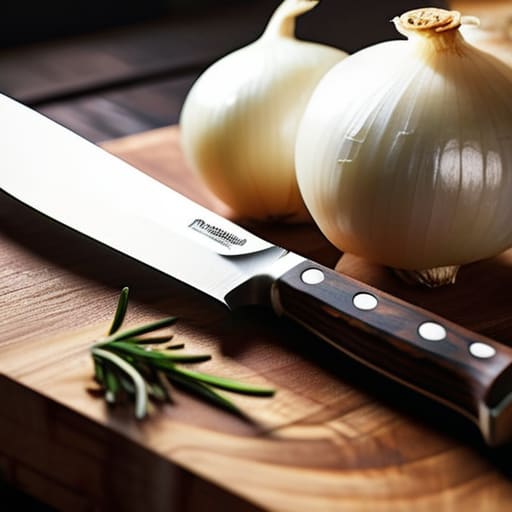
I used to think I needed a twelve-piece knife block to actually cook something decent, but that’s just marketing fluff. Most of those cheap sets are made of terrible steel that dulls the second it hits a cutting board. If you’re going to spend money anywhere, spend it on one solid, decent-quality 8-inch chef’s knife. It’s the one tool that actually does the heavy lifting, from dicing onions to slicing through a chicken breast.
A Cast Iron Skillet That Lasts Forever
If there is one thing I’ve learned from restoring old furniture, it’s that the best stuff is built to last. The same goes for your kitchen. A cast iron skillet is basically the indestructible workhorse of the cooking world. It’s heavy, it’s simple, and unlike those fancy non-stick pans that start peeling after six months, a good skillet actually gets better the more you use it.
Digital Scales for Precision Without the Stress
I’m a big believer in being intentional with what I do, and that applies to cooking too. Most people rely on “cups” for everything, but that’s a fast way to end up with a cake that’s dense or a sauce that’s way too salty. A simple digital kitchen scale takes the guesswork out of the equation. It’s a small, cheap tool that turns cooking from a guessing game into a repeatable skill.
An Immersion Blender for Easy Cleanup
There is nothing I hate more than dragging a massive, heavy blender out of a cabinet just to make a quick batch of soup or a sauce. It’s a hassle, it’s loud, and cleaning those bulky jars is a pain. An immersion blender—or a “stick blender”—is the practical solution to that problem. It’s small enough to tuck into a drawer but powerful enough to do almost everything a countertop blender can.
High-Quality Tongs for Total Control
This might sound like a weird thing to include, but most people treat tongs like an afterthought. In reality, they are basically an extension of your hands. Whether you’re flipping something in a hot pan, grabbing pasta from a pot, or moving pieces of meat onto a plate, having a pair of sturdy, locking tongs makes you feel significantly more competent.
The Bottom Line on Building Your Kitchen
Don’t fall for the “complete set” trap; buy individual tools as you actually find yourself needing them to solve a specific problem.
Prioritize durability over aesthetics—a tool that works and lasts ten years is worth way more than a trendy gadget that breaks in six months.
Focus on versatility; if a tool only does one hyper-specific thing, it’s probably just taking up valuable real estate in your cabinets.
## The Philosophy of the Tool
“I’ve learned that a kitchen shouldn’t be a showroom for expensive, single-use junk; it should be a workshop. The best gadgets aren’t the ones that look pretty on a countertop, but the ones that actually take the friction out of your day so you can spend less time cleaning up and more time actually eating.”
Owen Silas Vance
The Bottom Line
At the end of the day, building a functional kitchen isn’t about collecting every shiny new gadget that pops up on your social media feed. It’s about identifying the specific gaps in your routine and filling them with tools that actually work for you. Whether it’s that versatile chef’s knife that makes prep work feel less like a chore or a reliable digital scale that takes the guesswork out of your recipes, these five items are about eliminating friction. If a tool doesn’t save you time, reduce your stress, or make the process more enjoyable, it’s just taking up precious drawer space that you could be using for something else.
I know how easy it is to feel overwhelmed by the idea of “mastering” your home, especially when it feels like everyone else has a perfectly curated, professional-grade setup. But here’s the truth: competence isn’t bought; it’s practiced. You don’t need a kitchen full of expensive gear to cook a decent meal or manage your space with confidence. Start with these basics, get comfortable with them, and let your skills grow alongside your toolkit. Stop waiting for the “perfect” kitchen to arrive and just start making things happen with what you have right now. You’ve got this.
Frequently Asked Questions
How do I know if a gadget is actually a time-saver or just more clutter taking up my limited cabinet space?
Before you hit “add to cart,” ask yourself two questions: How many times a week will I actually use this, and where exactly will it live? If it’s a single-use tool that takes up more than one drawer, it’s probably just clutter in disguise. I always follow the “rule of three”—if it doesn’t solve a recurring problem or replace three other tools, leave it on the shelf. Your cabinet space is too valuable for “maybe” gadgets.
Are there specific brands I should stick to if I'm trying to buy quality tools without paying "luxury brand" prices?
Look, I’m a big believer in “buy once, cry once,” but that doesn’t mean you need to drop a paycheck on a designer logo. For kitchen basics, I usually lean toward brands like Lodge for cast iron or OXO for ergonomics—they’re workhorses that won’t break the bank. If you’re looking at knives, check out Victorinox; they’re professional-grade without the boutique price tag. Stick to tools that feel solid in your hand, not just pretty on a shelf.
What’s the best way to clean and maintain these items so they actually last more than a year?
Look, the quickest way to turn a good tool into trash is neglect. For anything stainless steel or cast iron, ditch the harsh chemical scrubbers; they’ll ruin the finish. A soft sponge and mild soap do the trick most days. Most importantly, never, ever put your good knives or wooden boards in the dishwasher—the heat and water will wreck them. Dry everything immediately. If you treat your gear with a little respect, it’ll actually work for you.