I used to think that eating well meant spending my entire paycheck on organic produce or spending three hours hovering over a stove after a long shift at the office. Between trying to keep my career on track and managing a tiny apartment, the idea of cooking felt like just another chore on an endless to-do list. We’ve been conditioned to believe that healthy dinner ideas have to be complicated, expensive, or incredibly time-consuming, but that’s just a lie that keeps us reaching for the takeout menu. Honestly, the truth is much simpler: you don’t need a gourmet kitchen or a massive budget to actually fuel your body the right way.
In this post, I’m breaking down five straightforward ways to get a decent meal on the table without the usual stress or the massive cleanup. I’ve stripped away the fluff to give you five practical, budget-friendly options that focus on real ingredients and minimal effort. Whether you’re working late or just don’t feel like playing chef, these are the specific methods I use to stay consistent when life gets chaotic. Let’s stop overthinking the menu and just get cooking.
Table of Contents
The Sheet Pan Savior
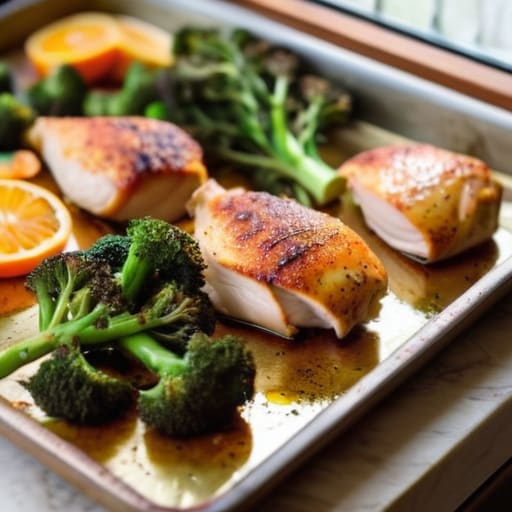
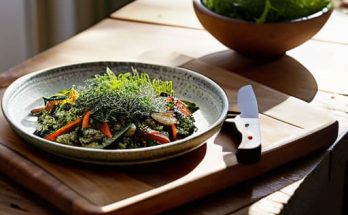
If you’re like me and usually too tired to stare at a stove after a long shift, sheet pan meals are going to be your new best friend. You just toss some chopped chicken thighs, broccoli, and sweet potatoes onto a single tray, drizzle them with olive oil and whatever spices you have lying around, and let the oven do the heavy lifting. It’s the ultimate way to get a nutritious meal on the table without turning your kitchen into a disaster zone.
One-Pot Grain Bowls
I used to think “healthy eating” meant expensive superfood salads, but honestly, a solid grain bowl is much more satisfying and way easier on the wallet. Start with a base of quinoa or brown rice—I usually cook a big batch on Sunday to save time later—and then just pile on whatever is in your fridge. Think canned chickpeas, some sliced cucumber, a handful of spinach, and a hard-boiled egg if you need extra protein.
The Upgraded Pantry Pasta
We’ve all been there: it’s 7:00 PM, you’re hungry, and the only thing in your pantry is a box of pasta and a jar of sauce. Instead of just settling for the basic stuff, try to level it up with a few simple additions. Throw in a can of tuna, some frozen peas, or a handful of wilted spinach right at the end of the boiling process. It adds a bit of fiber and protein without requiring a trip to the grocery store.
The 15-Minute Black Bean Tacos
The 15-Minute Black Bean Tacos
When I’m running late or just don’t have the mental energy to follow a complex set of instructions, I go for tacos. You don’t need expensive steak or even ground beef; a can of seasoned black beans is incredibly filling and much cheaper. Just warm the beans in a pan with some cumin, mash a few of them to get a better texture, and slide them into some toasted corn tortillas.
Skillet Egg Scramble
Most people think eggs are just for breakfast, but they are actually one of the most versatile tools in your kitchen for a quick dinner. A hearty scramble with sautéed onions, bell peppers, and maybe some feta cheese is a complete meal that takes less than ten minutes to pull together. It’s the kind of no-nonsense cooking that works perfectly when you’re trying to balance a busy schedule with a budget.
The Bottom Line
Don’t let “perfect” be the enemy of “fed.” A simple, balanced meal you actually cook is infinitely better than a complex recipe that ends up in the trash because you were too tired to finish it.
Focus on the staples. If you keep a few versatile ingredients like grains, frozen greens, and proteins on hand, you’ll never be stuck in that “ordering takeout because I have nothing to eat” loop.
Skill over shopping lists. Once you master a few basic cooking techniques, you stop following recipes blindly and start making decisions based on what’s actually in your fridge.
## The Reality of the Kitchen
“A healthy dinner shouldn’t feel like a performance or a massive project; it’s just about having a few reliable, decent ingredients on hand so you don’t end up staring blankly at a takeout menu when you’re actually hungry.”
Owen Silas Vance
Getting Started Without the Stress
Look, at the end of the day, these five meals aren’t about achieving some unattainable culinary perfection or following a strict, restrictive diet. It’s really just about having a few reliable blueprints in your back pocket so you don’t end up staring blankly into a fridge at 7:00 PM before ordering expensive, greasy takeout. Whether you’re leaning into a quick sheet-pan roast, prepping a batch of grains, or just throwing together a solid grain bowl, the goal is to keep things simple and sustainable. If you can master these basics, you’ve already won half the battle against the daily chaos of trying to eat well on a budget.
I know that “adulting” can feel like a constant uphill climb, especially when you’re trying to balance a career and a social life while actually taking care of your body. But remember, competence is a muscle, and you build it one small, practical decision at a time. You don’t need a gourmet kitchen or a massive grocery budget to make something that actually fuels you. Just grab your multi-tool, check your pantry, and start doing the work. You’ve got this, and honestly, once you get into the rhythm of it, it becomes second nature.
Frequently Asked Questions
How do I make these meals taste good without spending a fortune on expensive spices or fancy ingredients?
Look, you don’t need a $40 jar of saffron to make food taste decent. Most of the magic comes from the basics: salt, acid, and heat. If a dish feels flat, add a squeeze of lemon or a splash of vinegar—that brightness changes everything. Keep a few staples on hand like garlic powder, smoked paprika, and red pepper flakes. They’re cheap, they last forever, and they do the heavy lifting for you.
I'm usually exhausted by 6 PM; is there a way to prep these ahead of time so I'm not starting from scratch every night?
Look, I get it. By 6 PM, my brain is usually fried from staring at spreadsheets all day. The trick isn’t “meal prepping” entire gourmet feasts on Sunday; it’s just about doing the heavy lifting early. Chop your veggies when you actually have energy, cook a big batch of grains, or even just marinate your protein in a container. If the prep work is already done, you’re just assembling, not cooking from scratch.
What’s the best way to swap out proteins if I’m trying to stick to a tighter budget or a specific diet?
Look, I’ve spent plenty of nights staring at a grocery receipt wishing I’d spent less on meat. If you’re tightening the belt, stop viewing protein as just “chicken or beef.” Lean hard into lentils, chickpeas, or eggs—they’re cheap, shelf-stable, and actually filling. If you’re following a specific diet, just swap the weight for volume. Swapping steak for canned tuna or tofu doesn’t ruin the meal; it just makes it sustainable for your wallet.