I used to think meal prepping meant spending my entire Sunday afternoon in a kitchen that looked like a crime scene, surrounded by twenty identical plastic containers of steamed broccoli and unseasoned chicken. The internet makes it look like this aesthetic, Pinterest-perfect ritual, but for most of us living in cramped apartments with limited counter space, that’s just unrealistic. Real life is messy, and trying to follow those hyper-complicated recipes usually leads to nothing more than a mountain of dishes and a wasted afternoon. I realized early on that if I wanted to actually eat well without breaking my budget, I needed to stop chasing the hype and start focusing on make ahead meals that actually taste like real food.
I’m not here to sell you on a lifestyle overhaul or a dozen expensive gadgets you’ll never use. Instead, I want to show you how to build a sustainable system that works with your actual schedule, not some idealized version of it. I’ll be sharing the low-effort, high-reward methods I use to prep components rather than complex dishes, so you can stop stressing about dinner and just start eating.
Table of Contents
Smart Weekly Meal Planning Tips to Reclaim Your Time
First off, let’s ditch the idea that meal planning requires a color-coded spreadsheet and three hours of intense labor. Realistically, it’s just about looking at your calendar and deciding which nights you’re actually going to have the energy to cook. I’ve found that the best weekly meal planning tips usually involve working backward from your busiest days. If Tuesday is your marathon training night, that’s the day you need something ready to heat and eat. Don’t try to be a hero and cook a five-course meal when you’re running on four hours of sleep; just aim for functional.
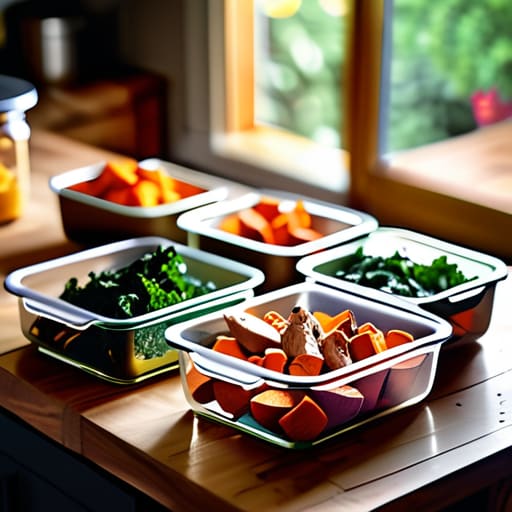
Once you have a rough idea of your week, focus on “component prepping” rather than full recipes. Instead of making five identical Tupperware containers of chicken and broccoli, just roast a big tray of veggies and a batch of grains. This gives you the flexibility to switch up flavors with different sauces so you don’t get bored by Thursday. If you’re trying to keep costs down, lean into budget friendly meal prep by choosing versatile staples like lentils, eggs, or seasonal greens. It’s about building a system that works for your life, not a Pinterest board that doesn’t.
One Pan Meal Prep Recipes for Minimal Cleanup
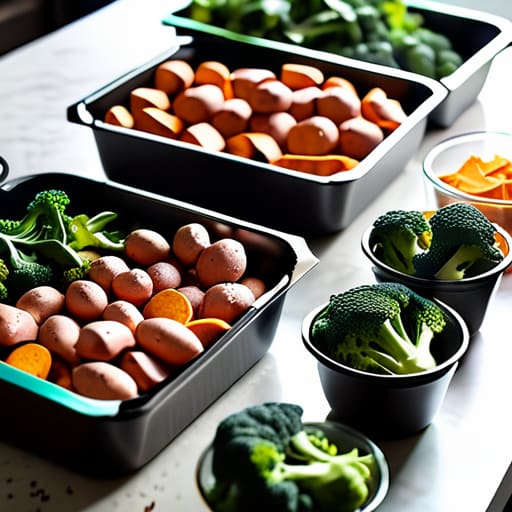
If you’re anything like me, the thought of scrubbing three different pots and pans after a long shift is enough to make you order takeout instead. That’s where one pan meal prep recipes become a total lifesaver. I’ve found that roasting everything on a single large sheet pan—think seasoned chicken thighs, sweet potatoes, and broccoli—is the ultimate way to cook without the chaos. You just toss everything in olive oil and spices, slide it into the oven, and walk away. It’s one of my favorite time saving kitchen hacks because it minimizes the dishes and maximizes the flavor with almost zero effort.
Once the tray comes out of the oven, don’t just let it sit there. Portion everything immediately into your containers. If you’re working with a tighter budget, I highly recommend investing in a few quality meal prep containers for freezing. I usually prep a double batch of these sheet pan meals; I eat half during the week and freeze the rest for those nights when I’m too exhausted to even think about the stove. It’s about building a system that works for your actual life, not some idealized version of it.
Five Ways to Actually Make This Work for Your Life
- Don’t try to be a gourmet chef on a Sunday. Pick two proteins, one grain, and one veggie, and just rotate them. If you try to prep five different complex recipes at once, you’ll burn out by Wednesday and end up ordering takeout anyway.
- Invest in decent, airtight containers. I learned this the hard way when my “prepped” spinach turned into a swampy mess in a cheap plastic tub. Good containers keep things fresh longer, which means less wasted money and less food ending up in the trash.
- Use the “component method” instead of full meals. Instead of making individual portions of lasagna, just roast a big tray of veggies and cook a massive pot of quinoa. It’s much easier to mix and match different flavors throughout the week so you don’t get bored.
- Prep your “friction points” first. If you know you always skip chopping onions or garlic when you’re tired after work, do that part during your prep session. Removing those tiny, annoying steps makes the actual cooking process feel way less daunting.
- Always leave room for leftovers. Don’t prep every single meal for the week. Leave a couple of nights open for whatever happens—a late meeting, a friend dropping by, or just a night where you really don’t feel like eating your planned meal. Flexibility is what makes a system sustainable.
The Bottom Line
Don’t aim for a Pinterest-perfect spread; just prep enough components—like a grain, a protein, and a veg—to make assembly easy during the week.
Invest in a few good, reusable containers early on so you aren’t wasting money on disposables or struggling with mismatched lids.
Use your Sunday prep time to solve your future self’s problems, not to create a second job for yourself.
The Real Goal of Prepping
Meal prep isn’t about spending your entire Sunday in a kitchen apron like a professional chef; it’s about making sure that when you’re exhausted on a Wednesday night, you actually have something decent to eat instead of just staring blankly at a delivery app.
Owen Silas Vance
Getting Started Without the Stress
Look, you don’t need to turn your kitchen into a commercial factory or spend your entire Sunday staring at Tupperware. If you take away the noise, meal prepping is really just about building systems that serve you. Whether you’re leaning into one-pan recipes to save on dishes or using a basic weekly plan to keep your grocery spending in check, the goal is to reduce the number of decisions you have to make when you’re exhausted on a Wednesday night. Start small—maybe just prep one protein or one batch of grains—and build your momentum from there.
At the end of the day, this isn’t about achieving some Pinterest-perfect aesthetic or being the most organized person in your friend group. It’s about reclaiming your time and your sanity. When you have a plan in place, you aren’t just saving money; you’re giving yourself the gift of a little more breathing room in an already hectic week. Don’t wait for the “perfect” time to start, because that time doesn’t exist. Just grab a container, pick a recipe, and get moving. You’ve got this.
Frequently Asked Questions
How do I keep my prepped meals from getting soggy or tasting like they've been sitting in the fridge for a week?
The biggest mistake I see is the “dump everything in one container” approach. If you mix your dressing or sauce with your greens or grains ahead of time, you’re basically making a salad that’s been marinating for three days. It’s gross. Keep your sauces in small separate containers, and if you’re prepping grains or proteins, let them cool completely before sealing the lid. Trapped steam is what creates that mushy, sad texture.
I don't have much counter space—is there a way to meal prep without buying a bunch of expensive containers or a massive set of Tupperware?
Look, I get it. I grew up in a tiny apartment where every inch of counter space was a battleground. You don’t need a matching set of expensive glass containers to make this work. Honestly, just use what you have. If you’re tight on space, prep in batches and use different sized bowls or even just reusable silicone bags. It’s about the system, not the aesthetic. Don’t let a lack of Tupperware stop you from starting.
What's the best way to handle reheating so my food actually tastes fresh instead of like a microwave sponge?
The microwave is usually the culprit behind that “sponge” texture because it blasts moisture out of everything. If you have the time, an air fryer or a quick toss in a skillet is a game-changer for bringing back the crunch. If you’re stuck with the microwave, put a damp paper towel over your plate or add a tiny splash of water to the container. It creates just enough steam to keep things from drying out.