I spent most of my childhood watching my mom try to make magic out of a half-empty pantry, and if there’s one thing I learned, it’s that “wellness” culture is often just expensive gatekeeping. You don’t need a $200 grocery haul of organic superfoods or a degree in nutrition to figure out how to build a balanced meal. Most of the advice you see online is designed to make you feel like you’re failing if you aren’t eating something that looks like a Pinterest board. Honestly? That’s just noise.
I’m not here to sell you a lifestyle or a complicated meal plan that requires three hours of prep after a ten-hour workday. My goal is to strip away the fluff and give you a repeatable, low-stress framework that actually works for real life. I’m going to show you how to use what you already have to create plates that keep you fueled without breaking your budget or your spirit. We’re going to focus on practical competence, not perfection. Let’s just get to work.
Table of Contents
Mastering Your Protein Vegetable Carbohydrate Ratio
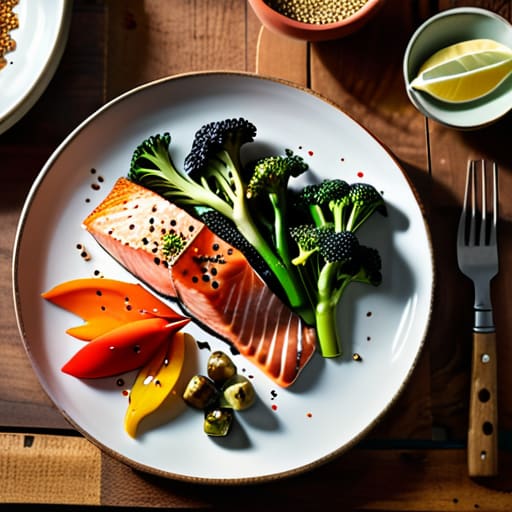
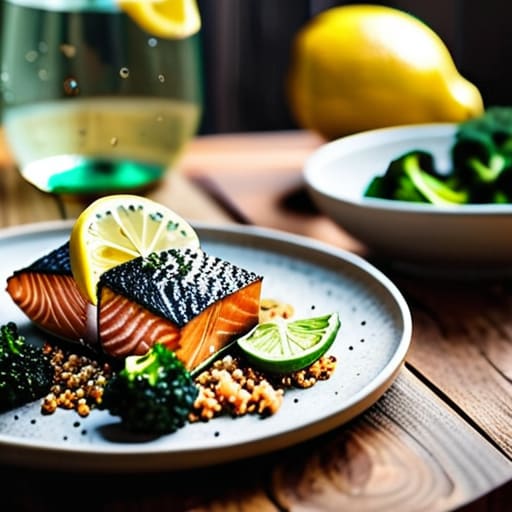
Look, you don’t need a degree in nutrition to get this right. I used to think “balanced” meant measuring every single gram on a digital scale, but that’s a fast track to burnout. Instead, I rely on a simple healthy plate method to keep things moving. Think of your plate as a map: half the real estate goes to vegetables, a quarter to your protein, and the last quarter to your carbs. It’s not about perfection; it’s about creating a framework that works when you’re tired after a long shift.
When you’re figuring out your protein vegetable carbohydrate ratio, focus on the nutritional density of foods rather than just the calories. If you’re grabbing a quick bowl of pasta, throw in some frozen peas and a canned tuna pouch. You’ve just upgraded a carb-heavy meal into something that actually keeps you full. This isn’t some complex math equation; it’s just about making sure you have enough fuel to get through the day without crashing. Stop chasing complex macros and just aim for the right proportions.
The Healthy Plate Method Simplified for Real Life
Look, I get it. You open a nutrition app and suddenly you’re staring at a spreadsheet of grams and calories, feeling like you need a math degree just to eat lunch. That’s not how we’re doing things here. Instead of getting bogged down in a complex macronutrient distribution guide, I want you to use your eyes. Think of your plate as a visual map rather than a math problem. If you can see the proportions, you’ve already won half the battle.
The easiest way to handle portion control for healthy eating without a scale is the “half-plate rule.” Fill half your plate with whatever veggies are looking good in the fridge—spinach, roasted carrots, whatever. The other half gets split between your protein and your carbs. It’s a dead-simple way to ensure you’re getting enough fiber and volume to actually feel full, rather than just eating until you’re heavy and sluggish. This isn’t about being perfect; it’s about building a repeatable habit that works when you’re tired and busy.
Five Ways to Stop Stressing and Start Eating
- Shop your pantry first. Before you head to the store, see what cans of beans, bags of rice, or frozen veggies you already have. Building a meal around what you already own is the easiest way to keep your budget from spiraling.
- Keep a “formula” in your head, not a recipe. You don’t need a cookbook to make a meal work; you just need a protein, a fiber, and a fat. If you’ve got those three, you’ve got a meal.
- Don’t fear the frozen aisle. Honestly, frozen vegetables are often more nutritious than the “fresh” stuff that’s been sitting on a truck for a week, and they won’t rot in your crisper drawer if you forget about them for three days.
- Use sauces as your secret weapon. If a meal feels boring or dry, don’t order takeout. A splash of soy sauce, a squeeze of lime, or a dollop of Greek yogurt can transform basic ingredients into something that actually tastes intentional.
- Prep the components, not the meals. I don’t have the patience for “Sunday Meal Prep” where I eat the same chicken and broccoli for five days straight. Instead, just cook a big batch of grains or roast a tray of veggies so you can mix and match them throughout the week.
The Bottom Line
Stop hunting for perfect recipes; just focus on hitting that protein, veggie, and carb trifecta every time you sit down to eat.
Use your eyes, not a scale—aim for a plate that looks balanced visually, and you’ll likely be hitting your nutritional marks.
Aim for consistency over perfection; a decent, balanced meal today is better than a gourmet, failed attempt tomorrow.
## The Real Goal
“A balanced meal isn’t about hitting perfect macros or following a rigid aesthetic; it’s just about making sure you’ve given your body enough fuel to actually handle the day without crashing.”
Owen Silas Vance
Stop Aiming for Perfection
At the end of the day, building a balanced meal isn’t about tracking every single microgram or following a rigid, expensive meal plan. It’s just about the basics: getting a solid protein, a colorful veggie, and a reliable carb onto your plate so you actually feel fueled instead of just full. If you can master that simple ratio, you’ve already won the biggest battle. Don’t let a missing ingredient or a busy Tuesday derail you; if you’re short on time, just grab the essentials and move on. The goal isn’t a gourmet masterpiece every single night, it’s about consistent, functional nutrition that works for your actual life, not some idealized version of it.
I used to think that “eating healthy” meant buying specialized superfoods that cost half my paycheck, but I was wrong. Real competence in the kitchen comes from understanding the framework and having the confidence to improvise when the fridge is looking empty. You don’t need a culinary degree or a massive budget to take care of yourself; you just need to start doing it. Stop waiting for the perfect moment or the perfect grocery list to arrive. Just grab a bowl, follow the ratio, and build your own momentum one meal at a time. You’ve got this.
Frequently Asked Questions
What do I do if I’m eating out or ordering takeout and can't control the portions?
Look, I get it. When you’re grabbing takeout after a long shift, you aren’t exactly playing with a scale. My rule of thumb? Focus on the “visual divide.” If the meal comes out as one giant heap, mentally split it. Aim for half the pile to be veggies, a quarter protein, and a quarter carbs. If it’s a massive portion, pack half into a container immediately. Don’t let a single meal derail your momentum.
Is it okay to swap out certain food groups, like if I'm vegetarian or don't like certain veggies?
Look, I’m all for flexibility. If you try to force-feed yourself kale when you hate it, you’re going to quit by Tuesday. The “formula” is just a blueprint, not a law. If you’re vegetarian, swap the chicken for lentils, chickpeas, or tofu—just keep that protein hit. Don’t like broccoli? Grab spinach or peppers. As long as you’re hitting those three main pillars, you’re doing it right. Eat what you actually like.
How do I manage this when I'm too tired to cook a real meal after a long shift?
Look, I get it. Some days you get home and the last thing you want to do is play chef. When I’m drained, I stop aiming for “gourmet” and just aim for “assembled.” Keep some rotisserie chicken, bagged salad, and microwaveable quinoa in the pantry. It’s not a culinary masterpiece, but it hits the protein, veggie, and carb requirements without you even touching a cutting board. Eat, recover, and try again tomorrow.