I’m so tired of seeing those “aesthetic” wellness influencers act like you need a $600 high-speed blender and a cabinet full of obscure, $15 superfood powders just to get breakfast on the table. Honestly, most of those recipes are just overpriced sugar bombs wrapped in a fancy presentation. If you’re looking for a masterclass in how to make a smoothie that actually costs less than a coffee run and doesn’t require a degree in nutrition, you’re in the right place. We’re stripping away the gatekeeping and the unnecessary clutter; you don’t need a curated pantry to fuel your morning effectively.
My goal here is simple: I want to give you a reliable framework that works even when you’re running late for work or staring at a near-empty fridge. I’m going to show you how to balance flavors and textures using basic, affordable ingredients you likely already have in your kitchen. No fluff, no expensive gimmicks—just a straightforward method to help you build a breakfast that actually keeps you full. Let’s stop overcomplicating the process and just start making something good.
Table of Contents
Mastering Your Smoothie Base Ingredients and Texture Tips
The secret to a smoothie that actually feels like a meal rather than a sugary snack lies in your smoothie base ingredients. Don’t just default to orange juice; that’s a one-way ticket to a sugar crash by 10 AM. I usually lean toward unsweetened almond milk, coconut water, or even plain water if I’m trying to keep things light. If you’re looking to stay full until lunch, I highly recommend adding protein to smoothies via a scoop of unflavored powder or a dollop of Greek yogurt. It changes the game for your satiety levels.
When it comes to the consistency, the biggest debate is always frozen fruit vs fresh fruit for smoothies. If you want that thick, milkshake-like vibe without adding ice (which can make things watery), go frozen. I always keep a bag of frozen mango or berries in the freezer for exactly this reason. If you find your mix is too thick to move, just splash in a little more liquid. It’s all about finding that sweet spot between a drink and a bowl.
Choosing the Best Blender for Smoothies Without Wasting Money
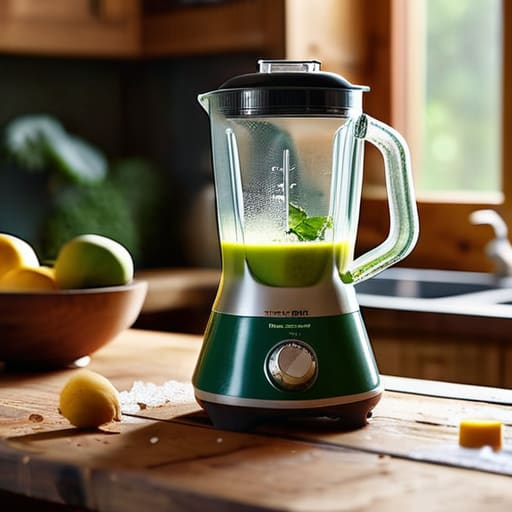
Look, I get it. You walk into a kitchen store and suddenly you’re staring at a $600 professional-grade blender that looks like it belongs in a laboratory. You don’t need that. I grew up in a house where we didn’t buy things just because they looked shiny; we bought them because they worked and they lasted. When you’re searching for the best blender for smoothies on a budget, ignore the flashy marketing. You really just need something with enough torque to handle ice and frozen greens without stalling out every thirty seconds.
If you’re working with a tighter budget, a decent mid-range personal blender is usually plenty. My rule of thumb? Focus on the motor power and the ease of cleaning. If it’s a nightmare to wash, it’s going to end up gathering dust in your cabinet by next month. You want something that makes it easy to toss in your smoothie base ingredients and get moving. Don’t fall into the trap of overspending on features you’ll never use—just get a reliable tool that gets the job done so you can get on with your day.
Five Ways to Stop Wasting Time and Money on Your Morning Blend
- Layer your ingredients in the right order. Start with your liquids first, then powders, then greens, and save the frozen stuff for the very top. This keeps your blender from stalling and saves you from that annoying “motor struggling” sound.
- Stop buying expensive pre-made smoothie packs. They’re overpriced and usually packed with hidden sugar. Buy a big bag of frozen berries and a bag of spinach, and you’ve got your base for a fraction of the cost.
- Don’t let your fruit go to waste. If you see bananas turning brown on your counter, peel them, break them in half, and throw them in a freezer bag. They make smoothies creamier than any dairy or expensive substitute ever could.
- Keep it simple with the “one-to-one” rule. If you’re adding something sweet like honey or maple syrup, keep it to one teaspoon. You want to actually taste the fruit, not a sugar bomb that’s going to lead to a mid-morning crash.
- Clean your blender immediately. I know, it’s a chore, but if you let that green sludge dry at the bottom, you’ll be scrubbing for twenty minutes later. Just fill it halfway with warm water and a drop of soap, hit the pulse button, and rinse. Done.
The Bottom Line on Smoothies
Don’t get hung up on expensive superfoods; a solid base of frozen fruit and a liquid of choice is 90% of the battle.
Buy a blender that actually works for your budget rather than chasing a brand name just for the aesthetic.
Keep it simple and iterate—tweak your ratios as you go until you find the texture that doesn’t require a spoon.
## The Philosophy of the Blend
“You don’t need a $600 machine or a list of superfoods you can barely pronounce to make a good smoothie. You just need a decent base, some frozen fruit to keep it cold, and the willingness to stop treating breakfast like a chemistry experiment and start treating it like fuel.”
Owen Silas Vance
Just Start Blending
At the end of the day, making a great smoothie isn’t about following some rigid, expensive formula or owning a high-end kitchen gadget that costs half your rent. It’s about understanding the basics: getting your liquid-to-frozen ratio right, picking a base that actually fills you up, and choosing a blender that actually works for your budget. Once you’ve got those fundamentals down, you stop staring at the ingredients list and start experimenting. Whether you’re throwing in leftover spinach to hide the greens or using frozen bananas to fix a texture that’s too thin, remember that the goal is nourishment, not perfection.
I know that “adulting” can feel like a constant stream of things you’re doing wrong, but mastering a simple breakfast like this is a win. It’s a small, repeatable skill that saves you money and keeps you fueled for whatever the workday throws at you. Don’t wait until you have the “perfect” setup or the most aesthetic fruit bowls to begin. Just grab what you have in the fridge, hit the pulse button, and trust the process. You don’t need to be a chef to take care of yourself; you just need to show up and start doing it.
Frequently Asked Questions
How do I stop my smoothies from turning into a watery, flavorless mess?
The biggest mistake I see is using too much liquid right out of the gate. If you start with a full glass of water or juice, you’re basically making flavored soup. Instead, use frozen fruit or ice to build your structure first. I usually go heavy on the frozen berries or a handful of oats to add body. Add your liquid slowly—only enough to get the blades moving—and build the thickness from there.
Is it actually worth buying frozen fruit, or should I just stick to what's in the fridge?
Honestly, buy the frozen stuff. I grew up in a house where we couldn’t afford to let food go to waste, so I’ve learned the hard way: fresh fruit goes bad in three days, but frozen stays good for months. Frozen fruit also acts like ice, giving you that thick, creamy texture without watering it down with actual ice cubes. It’s cheaper, lasts longer, and saves you from the “sad, mushy strawberry” dilemma.
How can I make a smoothie that actually keeps me full until lunch instead of just giving me a sugar crash?
The secret is moving away from the “fruit-only” trap. If you just blend berries and juice, you’re basically drinking a sugar bomb that’ll leave you crashing by 10:00 AM. To actually stay full, you need protein and healthy fats. Toss in a scoop of Greek yogurt, some chia seeds, or half an avocado. It adds creaminess without needing extra sugar, and those fats slow down digestion so you aren’t hunting for snacks an hour later.