If you’ve spent any time on social media, you’ve seen the “aesthetic” version of meal prepping: rows of perfectly color-coordinated glass containers filled with organic kale and expensive dragon fruit, looking more like a museum exhibit than actual food. It’s exhausting, and honestly, it’s a lie. Most of that stuff is designed to sell you a lifestyle you can’t afford, rather than actually teaching you how to meal prep in a way that works for a real life. I grew up in a cramped apartment where we didn’t have the luxury of wasted ingredients or fancy gadgets; we just needed to make sure we weren’t starving by Wednesday.
I’m not here to give you a Pinterest board; I’m here to give you a system. I want to show you how to strip away the fluff and focus on the mechanics of feeding yourself without spending your entire Sunday in a kitchen trance. We’re going to talk about smart batching, minimizing cleanup, and choosing ingredients that actually hold up by Thursday. My goal is to help you master the basics so you can stop overthinking your groceries and just start doing it.
Table of Contents
Mastering Weekly Meal Planning Tips Without the Stress
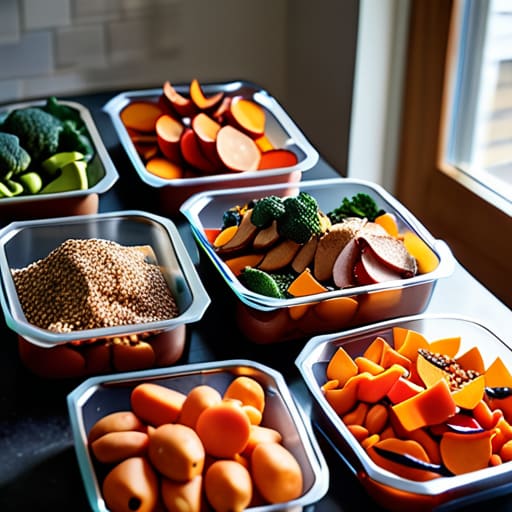
Look, the biggest mistake I see people making is trying to plan a gourmet five-course menu for every single night of the week. That’s a recipe for burnout and a wasted grocery budget. Instead, I swear by batch cooking techniques that focus on components rather than rigid recipes. Think of it like building a modular system: roast a huge tray of seasoned chicken, boil a pot of quinoa, and chop a mountain of versatile veggies. When you have these building blocks ready, you aren’t “cooking” on a Tuesday night; you’re just assembling.
The goal isn’t perfection; it’s reducing the number of decisions you have to make when you’re tired. If you’re looking for some budget friendly meal prep wins, stick to seasonal produce and bulk grains. Also, don’t skimp on your gear. Investing in a decent set of meal prep containers for storage is a game changer. If your containers leak or don’t stack properly, you’re going to end up hating the process. Get some that actually fit in your fridge, and you’ve already won half the battle.
Smart Batch Cooking Techniques to Reclaim Your Time
Once you’ve actually sat down and planned your week, you need to stop thinking about individual recipes and start thinking about components. This is where batch cooking techniques actually save your sanity. Instead of making three separate, labor-intensive meals, I usually aim to cook “building blocks.” I’ll roast two massive trays of seasonal veggies, boil a large pot of grains, and prep a single protein—like shredded chicken or seasoned lentils—that can be repurposed three different ways. It’s much more efficient to cook one massive amount of something than to turn the stove on four different nights.
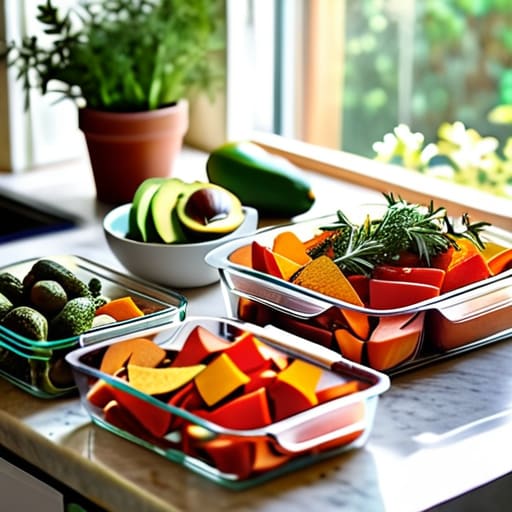
The real secret to making this work without your fridge looking like a chaotic mess is investing in decent meal prep containers for storage. I learned the hard way that cheap, flimsy plastic is a recipe for leaks and soggy leftovers. If you grab some glass or high-quality BPA-free containers, you can stack them neatly, which keeps your fridge organized and makes grabbing lunch on your way out the door a zero-effort task. It’s about creating a system that works for your actual life, not a Pinterest board.
5 Ways to Stop Meal Prepping Like It’s a Chore
- Don’t try to cook five different recipes on a Sunday. You’ll burn out by Tuesday. Pick two proteins, one big grain, and a couple of roasted veggies. Mix and match them throughout the week so you actually have something to look forward to eating.
- Invest in decent, airtight containers. I learned this the hard way when my thrifted glass bowls leaked all over my fridge. If your containers don’t seal, your food gets mushy, and you’ll end up ordering takeout because the prep looks unappealing.
- Prep your components, not just your meals. Instead of making full lasagna trays, just chop all your onions, peppers, and garlic at once. Having a “prep station” in your fridge of ready-to-go ingredients makes cooking on a random Wednesday feel way less daunting.
- Use your freezer as a safety net. If you realize you’ve made too much of a grain bowl or a stew, don’t let it sit in the fridge until it turns. Portion it out, freeze it, and save it for that night when you’re too exhausted to even look at a stove.
- Keep your “emergency” staples stocked. Even the best meal preppers have bad weeks. Keep things like canned beans, frozen spinach, and eggs on hand. They’re cheap, they don’t expire quickly, and they can turn a random assortment of leftovers into a real meal in ten minutes.
The Bottom Line: Keep It Simple
Don’t try to cook five new recipes at once; start by prepping just two or three versatile bases—like a big batch of grains or roasted veggies—that you can mix and match all week.
Invest in decent, reusable containers rather than fancy gadgets; having a matching set of containers that actually stack well makes your fridge feel organized instead of chaotic.
Forgive yourself when things go sideways; if you end up ordering takeout on a Tuesday, just reset on Wednesday and get back to the plan without the guilt trip.
## The Real Goal of Prep
“Meal prepping isn’t about spending your entire Sunday playing chef or obsessing over aesthetic glass containers; it’s just about making sure your Tuesday-night self isn’t too exhausted to make a decent decision.”
Owen Silas Vance
Stop Overthinking and Start Eating
Look, I know it feels like a massive undertaking when you first stare at a pile of raw ingredients and a stack of Tupperware. But once you’ve nailed down a basic plan, mastered the art of batch cooking, and stopped trying to cook five-star meals every single night, the friction starts to disappear. It’s really just about systematizing the boring stuff so you have more energy for the things that actually matter. Whether you’re prepping full meals or just chopping veggies ahead of time to save ten minutes on a Tuesday, the goal is consistency over perfection. You don’t need a professional kitchen or a massive budget to make this work; you just need a little bit of foresight and a few reliable containers.
At the end of the day, meal prepping isn’t about becoming a culinary expert or following some rigid, aesthetic lifestyle trend you saw on social media. It’s about taking a bit of control back from a chaotic schedule. I’ve learned through plenty of trial and error that even a small win in the kitchen can make your whole week feel significantly more manageable. Don’t wait for the perfect Sunday afternoon to start your first session. Just grab what you have, pick one or two things to prep, and just start doing it. You’ll figure out the rest as you go.
Frequently Asked Questions
I don't have a ton of fridge space; how do I prep without turning my kitchen into a storage unit?
Look, I get it. I grew up in a cramped apartment where the fridge was basically a game of Tetris. If you don’t have massive storage, stop buying those oversized plastic bins. Stick to stackable glass containers—they maximize vertical space and won’t warp. Also, prep components rather than full meals. Instead of five heavy Tupperwares, prep a big batch of grains and roasted veggies in smaller, slim containers. It’s much easier to tuck them into the gaps.
How do I keep things from tasting like mushy leftovers by Thursday?
The secret is separating your textures. Don’t mix everything in one big container; keep your proteins, grains, and greens in distinct compartments. If you’re prepping something with a sauce, keep the sauce on the side and only add it when you’re actually heating the meal. Also, let everything cool completely before you snap the lid on. Trapped steam is the fastest way to turn a decent meal into a pile of soggy mush.
Is it actually worth the time to prep every single meal, or should I just focus on the big stuff?
Look, if you try to prep every single bite, you’re going to burn out by Tuesday. I’ve been there. Don’t aim for perfection; aim for high-impact wins. Focus on the “big stuff”—grains, a versatile protein, and chopped veggies. If you have those building blocks ready, you can pivot when you’re tired. Prepping everything is a chore; prepping the essentials is a strategy. Just build the foundation and let the rest be flexible.