I spent most of my childhood in a two-bedroom apartment where “personal space” was a concept we only read about in books. I remember the specific, suffocating feeling of trying to find a clean pair of socks under a mountain of mismatched bins and half-broken furniture, feeling like my belongings were actually owning me. Most people will tell you that small space organization requires a massive investment in custom built-ins or those aesthetic, beige acrylic containers you see all over social media. Honestly? That’s a lie designed to separate you from your paycheck. You don’t need a professional designer or a massive budget to stop feeling like you’re living in a storage unit; you just need a better system.
I’m not here to sell you on a lifestyle you can’t afford or a “minimalist aesthetic” that feels cold and empty. Instead, I’m going to show you how to use what you already have—and maybe a few cheap finds from a thrift store—to actually reclaim your sanity. We’re going to focus on practical, high-impact moves that work for real life, not just for a staged photo. Let’s stop overcomplicating things and just start making your space work for you.
Table of Contents
Decluttering Tiny Apartments Without the Mental Overload
The biggest mistake I see people make is trying to tackle the whole apartment in one Saturday. That’s how you end up sitting on the floor, surrounded by piles of stuff, feeling completely paralyzed. When it comes to decluttering tiny apartments, you have to treat it like a project, not a marathon. Pick one single drawer or one corner of a shelf. Just one. If you try to do everything at once, the mental weight of the mess will make you want to quit before you’ve even started.
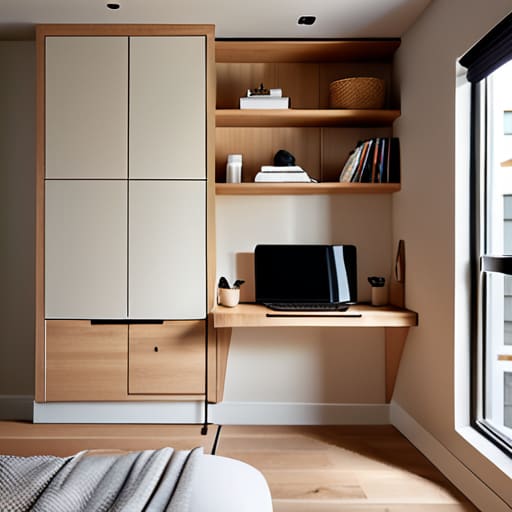
Once the excess is gone, the real work begins: making sure the “stuff” actually has a home. In a small footprint, you can’t afford to let things live on your countertops. I’m a huge advocate for vertical storage solutions because we often forget that the walls are just as usable as the floor. Think about floating shelves or tall bookcases that draw the eye upward. If you can’t go up, go down—using under bed storage hacks for things you don’t need every day is a total game-changer for keeping your living area clear and breathable.
Smart Under Bed Storage Hacks for Extra Breathing Room
If you’re like me, your bed is basically the largest piece of real estate in your room, which makes the space underneath a goldmine for extra storage. Most people let that area become a “black hole” for random stuff, but that’s a wasted opportunity. Instead of letting dust bunnies collect, I like to use low-profile, wheeled bins to house things I don’t need every single day—think seasonal clothes, extra linens, or even those bulky winter coats. These under bed storage hacks turn a dead zone into a functional extension of your closet.
The trick is to be intentional about what goes down there so it doesn’t just become another mess you’ve hidden from view. I’m a big fan of using clear plastic containers; being able to see exactly where your extra towels are without digging through a cardboard box saves so much mental energy. If you’re really tight on room, look into multifunctional furniture ideas like bed frames with built-in drawers. It’s a bit more of an investment upfront, but it keeps your floor clear and makes your entire living situation feel significantly less cramped.
Five Ways to Stop Fighting Your Floor Plan
- Use your walls, not just your floors. I’m a big believer in verticality. If you’ve got a small footprint, get some floating shelves or even a sturdy pegboard in the kitchen. Getting your stuff off the counters and up onto the walls immediately makes a room feel less claustrophobic.
- Invest in multi-purpose furniture that actually works. A coffee table with hidden storage or a stool that doubles as a side table isn’t just a gimmick; it’s a necessity. If a piece of furniture only does one thing, it’s taking up space you don’t have.
- Master the art of the “one-in, one-out” rule. This is how I keep my apartment from becoming a graveyard for impulse buys. If you bring home a new thrifted lamp or a fresh hoodie, something else has to be donated or tossed. It keeps the volume of your stuff from outgrowing your square footage.
- Group like with like using clear bins. Don’t just shove things into a drawer and hope for the best. I use small, transparent containers for everything from tech cables to pantry staples. Being able to see exactly what you have at a glance prevents that “I must have bought this already” double-spending.
- Utilize the “dead zones” in your layout. Look for those awkward gaps between the fridge and the wall, or the space above your door frame. A slim rolling cart or a high shelf in those neglected spots can hold a surprising amount of gear without disrupting your flow.
The Bottom Line for Your Space
Stop waiting for a bigger place to get organized; use what you have by thinking vertically and utilizing every dead corner.
Don’t let “perfection” paralyze you—pick one drawer or one shelf at a time so you don’t burn out halfway through.
Invest in multi-purpose tools and containers that actually serve a function, rather than buying cute stuff that just adds more clutter.
The Philosophy of Space
“Your apartment isn’t too small; your systems are just too complicated. Stop trying to fit your whole life into a studio and start focusing on what actually serves you every single day.”
Owen Silas Vance
Making It Work for You
At the end of the day, organizing a small space isn’t about achieving some flawless, Pinterest-perfect showroom look; it’s about functionality over aesthetics. We’ve covered how to tackle the mental weight of decluttering without burning out, and how to utilize those often-ignored pockets of space, like the area under your bed, to keep your floor clear. Whether you’re using slim bins to hide seasonal clothes or simply clearing your surfaces to give your mind some room to breathe, the goal is the same: to make your home feel like a sanctuary rather than a storage unit. Remember, every small win counts, even if it’s just one organized drawer or a cleared-off coffee table.
I know it can feel overwhelming when you look at a pile of stuff and a tiny floor plan, but please don’t let the scale of the task paralyze you. You don’t need a massive renovation or a huge budget to make your living situation feel manageable. You just need a little bit of patience and the willingness to start where you are. Living well is a skill, and like any other skill, you’re going to get better at it with practice. Stop waiting for the “perfect” time to get organized and just start doing the small things today. Your future, less-stressed self will definitely thank you.
Frequently Asked Questions
How do I actually decide what to get rid of when everything feels useful or sentimental?
Look, I get it. I have a drawer full of “useful” cables and old sketches that feel like part of my identity. But here’s the reality: if you haven’t touched it in a year, it’s just taking up mental real estate. Try the “container rule”—your shelf only holds five books. If you want a new one, something has to go. For sentiment, take a photo. Keep the memory, lose the physical clutter.
Are there specific types of storage bins or organizers that are worth the money versus the cheap ones?
Look, I’ve spent enough weekends wrestling with flimsy plastic to know where to spend and where to save. Skip the super cheap, thin bins for heavy items; they crack the second you stack them. Invest in clear, heavy-duty acrylic for things you need to see quickly—like pantry staples or office supplies. For deep under-bed storage, go for sturdy fabric bins with reinforced handles. If it can’t hold its shape, it’s just more clutter.
How can I keep my space organized long-term without it becoming a full-time job every weekend?
The secret is building “maintenance habits” so you aren’t fighting a losing battle every Sunday. I swear by the “one-in, one-out” rule: if a new thrifted chair comes in, an old one has to go. Also, try the “two-minute rule”—if a task, like putting away mail or hanging a coat, takes less than two minutes, do it immediately. Don’t wait for a crisis; just stay ahead of the clutter in small, manageable bursts.