I used to think you needed a degree in botany and a house full of expensive, specialized grow lights just to keep a single fern from turning into a pile of brown mush. I’ve seen those high-end lifestyle blogs act like learning how to care for houseplants is some sacred, expensive ritual reserved for people with huge sunrooms and endless spare time. It’s total gatekeeping. The truth is, most of those “expert” tips are just ways to make a simple task feel unnecessarily complicated, and honestly, it’s exhausting to watch.
I’m not here to sell you a $50 mister or a complicated light schedule that you’ll abandon in three weeks. My goal is to strip away the fluff and give you the actual, practical steps that work in a real, cramped apartment. I’m going to show you how to read what your plants are actually telling you and how to build a routine that actually fits your life. We’re going to stop the guesswork and just focus on what keeps them breathing, so you can enjoy the greenery without the constant anxiety.
Table of Contents
Mastering Indoor Plant Lighting Requirements Without the Guesswork
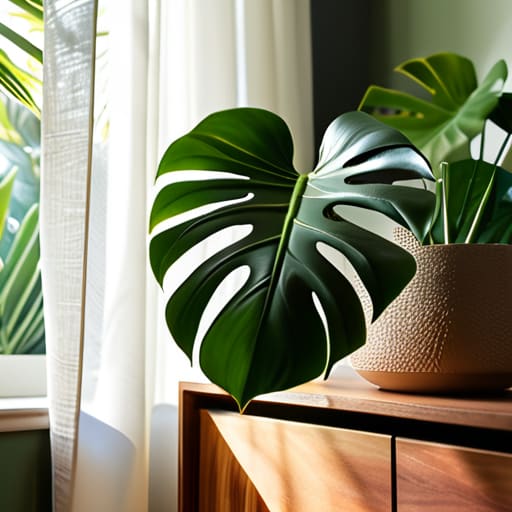
Look, I used to think “bright indirect light” was just some vague poetic term people used to sell expensive ferns. It’s not. It’s actually the most important part of understanding indoor plant lighting requirements. Think of it like this: direct sunlight is a spotlight that can scorch a leaf in hours, while low light is like a dim hallway where nothing really happens. If you want your plants to actually grow instead of just surviving, you need to observe how the light moves through your room at different times of the day.
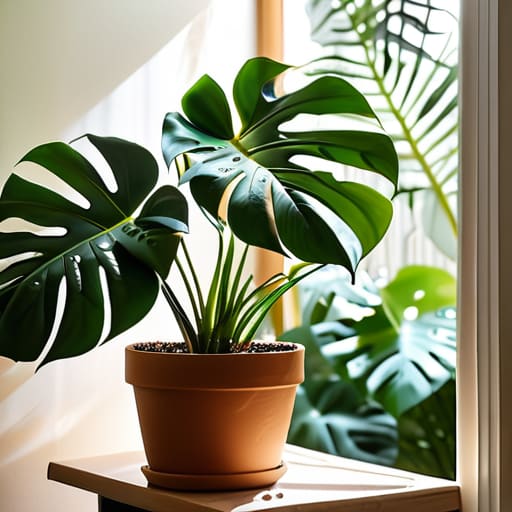
A good rule of thumb I use is the shadow test. Grab a lamp or use a sunny window and hold your hand a foot away from the plant. If you see a sharp, defined shadow, that’s direct light. If the shadow is blurry and faint, you’ve hit that sweet spot of bright, filtered light. If you’re stuck in a basement apartment with zero natural sun, don’t panic—just grab a cheap LED grow light. It’s a small investment that beats replacing a dead Monstera every three months.
Finding the Best Soil for Houseplants and Avoiding Waste
Look, I used to think all dirt was created equal. I’d grab the cheapest, heaviest bag of “potting mix” from the grocery store, shove it into a pot, and then wonder why my pothos looked like it was gasping for air three weeks later. The truth is, most generic soil is too dense; it packs down like clay, suffocates the roots, and turns your pot into a swamp. If you want to find the best soil for houseplants, you have to stop looking for “dirt” and start looking for drainage.
You don’t need a PhD in botany to get this right, but you do need to match the mix to the plant. A succulent needs something gritty and sandy that lets water pass through instantly, while a fern wants something that holds a bit more moisture. If you’re following a repotting indoor plants guide, my best advice is to grab a bag of high-quality potting mix and “amend” it yourself. Mix in some perlite or orchid bark to create those tiny air pockets roots crave. It’s a small upfront cost that prevents the massive headache of replacing dead plants every season.
Five Simple Habits to Stop the Plant Death Cycle
- Stop watering on a schedule. I used to think “every Monday” was a rule, but plants don’t work like that. Stick your finger an inch into the soil; if it feels damp, walk away. If it’s bone dry, give it a drink. It’s about the soil, not the calendar.
- Learn to read the leaves. Your plants are actually pretty good at communicating if you pay attention. Droopy leaves usually mean they’re thirsty, while yellowing or mushy stems are a massive red flag for overwatering. Treat them like a signal, not a mystery.
- Don’t ignore the dust. It sounds like a chore, but dust buildup on leaves actually blocks sunlight and messes with photosynthesis. Grab a damp cloth once a month and just wipe them down. It keeps them breathing and makes your space look way cleaner.
- Get used to the “drainage rule.” If you bought a cute ceramic pot that doesn’t have a hole in the bottom, don’t just throw the plant in there. Use it as a decorative sleeve for a cheap plastic nursery pot instead. Sitting in stagnant water is the fastest way to kill a plant.
- Accept that some will die. I’ve killed more plants than I’ve kept alive, especially when I was first starting out. Don’t let a dead pothos make you feel like you aren’t “good” at this. It’s just part of the learning curve—toss it, compost it, and try again.
The Bottom Line for Your Greenery
Stop treating every plant the same; learn their specific light and soil needs so you aren’t wasting money replacing dead ones every month.
Consistency beats intensity—a simple, predictable watering routine is way better than a sporadic “flood and drought” cycle.
Don’t let the fear of killing a plant stop you from trying; even I’ve messed up a few succulents, and that’s just part of the learning curve.
## Stop Treating Plants Like Decor
“Plants aren’t just accessories to fill up an empty corner; they’re living things that respond to how you show up for them. You don’t need a green thumb or a PhD in botany—you just need to stop overthinking it and start paying attention to what they’re actually telling you.”
Owen Silas Vance
Getting Your Hands Dirty
At the end of the day, keeping plants alive isn’t about having a “green thumb” or buying every expensive gadget on Instagram. It’s really just about understanding the basics we’ve talked about: getting the light right so they can actually eat, and picking a soil that won’t turn into a swampy mess in their pots. If you can manage your lighting and your drainage, you’ve already done the heavy lifting. Don’t let the fear of a yellow leaf stop you from trying; even if a plant dies, it’s just data for your next attempt. You’ll learn what works for your specific space, and that’s how you actually build competence.
I know it feels intimidating when you’re staring at a wilted pothos and wondering where you went wrong, but please stop being so hard on yourself. My own apartment has seen its fair share of casualties, and honestly, that’s just part of the process. Gardening—even indoor gardening—is a skill you develop through consistent, small actions rather than overnight perfection. So, grab a watering can, find a sunny corner, and just start. You don’t need a jungle to feel successful; you just need to start doing the work and let the rest grow from there.
Frequently Asked Questions
How do I tell if I'm actually overwatering or if my plant is just reacting to a change in temperature?
It’s a frustrating distinction to make, but look at the leaves first. If they’re yellowing and feeling mushy, that’s almost certainly overwatering—the roots are literally suffocating. Temperature shock usually shows up as sudden wilting or brown, crispy edges, even if the soil feels fine. Stick your finger an inch into the dirt; if it’s damp, back off the watering. If it’s dry but the plant looks sad, check for a draft.
Is it worth spending the extra money on fancy fertilizers, or can I just stick to the basics?
Look, save your money. Most of those high-end, boutique fertilizers are just overpriced marketing wrapped in pretty packaging. Unless you’re growing something incredibly temperamental, a basic, balanced liquid fertilizer is more than enough to get the job done. I’d rather spend that extra ten bucks on a decent watering can or a new ceramic pot. Stick to the basics, follow the dilution instructions, and don’t overdo it. Your plants—and your bank account—will thank you.
What are the signs that a plant is struggling versus just going through a natural growth cycle?
Look, I’ve definitely spent a weekend panicking over a drooping leaf only to realize the plant was just adjusting to a new spot. Here’s the line: if a single bottom leaf turns yellow and falls off, it’s likely just shedding old weight to grow new stuff. That’s normal. But if the leaves are turning mushy, spotting, or dropping en masse, something’s wrong—usually too much water or a light issue. Don’t panic; just observe.