I’m so tired of seeing “minimalism” sold as this expensive, sterile aesthetic where you have to empty your entire life into a white void just to look curated. If you think you need to spend three months’ rent on a single designer chair to master minimalist home tips, you’ve been lied to. I grew up in a cramped rental where space was a luxury we couldn’t afford, and I learned early on that true minimalism isn’t about how much you can buy to make a room look empty; it’s about how much junk you can stop letting clutter your brain.
I’m not here to give you a Pinterest board or a lecture on high-end Scandinavian design. Instead, I’m going to share the practical, slightly gritty methods I use to keep my own small space functional without losing my mind. I’ll give you the actual, no-nonsense steps to declutter your life and manage your belongings on a real-world budget. We’re going to strip away the gatekeeping and focus on what actually works for busy people who just want a home that feels like a sanctuary, not a storage unit.
Table of Contents
- Mastering Decluttering Techniques for Beginners Without the Stress
- Creating Intentional Living Spaces Through Simple Action
- Five Ways to Actually Live Minimalist (Without Losing Your Mind)
- The Bottom Line: Keep It Simple
- The Real Goal of Minimalism
- Just Start Where You Are
- Frequently Asked Questions
Mastering Decluttering Techniques for Beginners Without the Stress
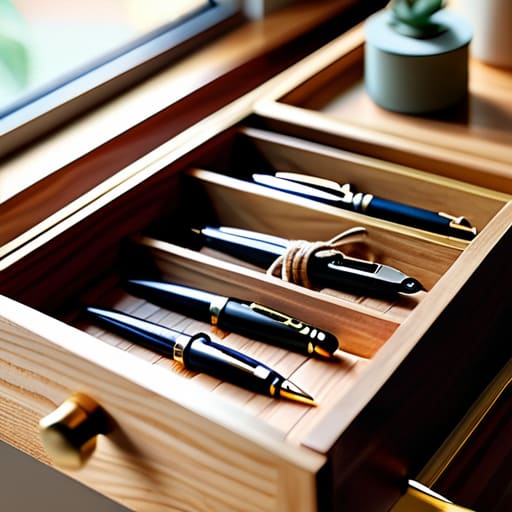
The biggest mistake I see people make is trying to tackle the whole apartment in a single weekend. That’s a recipe for burnout and a pile of junk sitting in the middle of your floor for three days. Instead, I use a method I call “micro-zones.” Don’t look at the living room; look at the junk drawer. Don’t look at the closet; look at one single shelf. By focusing on these tiny wins, you’re practicing decluttering techniques for beginners without the paralyzing overwhelm. It’s about momentum, not perfection.
Once you’ve cleared a small area, don’t just shove everything back in. This is where you actually start building intentional living spaces. I like to apply the same logic I use for my furniture restorations: if it doesn’t serve a functional purpose or bring a genuine sense of utility to the room, it’s just noise. Think of it like a capsule wardrobe for home organization—you want a curated selection of items that actually work for your life, rather than a collection of “maybe someday” clutter that just eats up your mental energy.
Creating Intentional Living Spaces Through Simple Action
Once you’ve cleared the surface-level junk, the real work begins: deciding what actually deserves to stay. Creating intentional living spaces isn’t about living in a sterile white box; it’s about making sure every object in your view serves a purpose or actually brings you a bit of peace. I used to think I needed a massive renovation to feel settled, but I realized it’s much simpler. It’s about curating your environment so it supports your life rather than draining your energy.
Think of your home like a capsule wardrobe for home organization. In a capsule closet, you only keep pieces that work together and fit your lifestyle; your living room should work the same way. Instead of buying more “stuff” to fill empty corners, focus on the quality of what you already own. When you stop chasing every new trend and start focusing on utility and durability, you’ll find that reducing household clutter becomes a natural byproduct of how you live, rather than a chore you have to fight every weekend.
Five Ways to Actually Live Minimalist (Without Losing Your Mind)
- Stop buying “storage solutions” to fix clutter. Most of the time, you don’t need a new $40 plastic bin from a big-box store; you just need to get rid of the stuff that’s filling the bin in the first place. If you’re buying containers to hide your mess, you aren’t decluttering, you’re just rearranging the chaos.
- Adopt the “One In, One Out” rule for everything. This is how I keep my apartment from turning into a thrift store graveyard. If you bring home a new coffee mug or a fresh linen shirt, one old one has to go—donate it, sell it, or toss it. It keeps your inventory steady so the pile never starts growing again.
- Focus on “functional surfaces” first. Clear off your kitchen counters, your entryway table, and your desk. When these flat surfaces are empty, the whole room feels calmer immediately. It’s a quick win that gives you a sense of control without requiring a total house overhaul.
- Audit your “just in case” items. We all have that drawer full of random cables, half-used craft supplies, or kitchen gadgets we used once in 2021. If you haven’t touched it in a year and it doesn’t cost less than twenty bucks to replace, let it go. Stop letting “maybe one day” take up precious square footage.
- Invest in multi-purpose pieces rather than single-use clutter. Since I started restoring furniture, I’ve realized that a sturdy, decent-looking stool can be a side table, extra seating, or a plant stand. Look for items that earn their keep by doing more than one job; it keeps your footprint small and your space intentional.
The Bottom Line: Keep It Simple
Stop waiting for a “perfect” moment to declutter; just grab a trash bag and start with one drawer today.
Every object in your home should either serve a clear purpose or actually bring you value—if it’s just taking up mental space, let it go.
Minimalism isn’t about living in a white box; it’s about making sure your stuff isn’t making your life harder than it needs to be.
The Real Goal of Minimalism
“Minimalism isn’t about living in a white box with nothing but a single chair; it’s about clearing out the physical noise so you actually have the mental room to breathe and the budget to fix what actually matters.”
Owen Silas Vance
Just Start Where You Are
Look, we’ve covered a lot, from the messy reality of decluttering to the actual work of setting up intentional spaces. The main takeaway is that minimalism isn’t about living in a sterile white box or owning exactly fifty items; it’s about removing the friction from your daily life. Whether you’re tackling a junk drawer or rethinking your entire living room layout, the goal is to make sure your stuff serves you, rather than you serving your stuff. Stop waiting for a massive weekend overhaul that will never happen and just focus on small, repeatable wins that actually stick.
At the end of the day, your home should be a place that gives you energy back, not a place that drains it every time you look at a pile of clutter. I spent years thinking I needed a massive budget to make my apartment feel “adult,” but I realized that competence comes from the small, steady habits we build. You don’t need a master plan or a designer’s eye to reclaim your space. You just need to take the first step and trust that you can figure out the rest as you go. Now, put the phone down and go clear off one surface.
Frequently Asked Questions
How do I decide what to keep when everything feels useful or sentimental?
Look, I get it. I’ve spent hours staring at a thrifted chair or an old concert ticket, paralyzed by the “what if” factor. Here’s my rule: if it’s sentimental, ask if the memory lives in the object or in you. If it’s “useful,” ask when you actually last used it. If you haven’t touched it in a year, it’s just taking up mental real estate. Keep the best, let go of the rest.
Is it possible to live minimally if I'm renting a small apartment with limited storage?
Absolutely. Honestly, small rentals are where minimalism actually makes the most sense. When you don’t have a basement or a massive closet, you’re forced to be intentional. I live in a space where every square inch counts. The trick isn’t finding more storage; it’s owning less stuff to begin with. Use vertical space, grab some slim hangers, and prioritize multi-functional pieces. If it doesn’t serve a purpose, it’s just taking up your peace of mind.
How do I stop the clutter from just creeping back in a few weeks after I've cleaned?
The reason the mess returns is because you’re treating cleaning like a one-time event instead of a habit. You can’t just “deep clean” your way out of a lifestyle that creates clutter. Start implementing a “one-in, one-out” rule for everything you buy, and commit to a five-minute reset every night before bed. If it doesn’t have a designated home, it doesn’t belong on your counter. Stop managing the mess and start managing the flow.