I’m going to be real with you: most of the kitchen organization ideas you see on your feed are total garbage. You don’t need a $50 custom acrylic bin for every single spice jar, and you definitely don’t need a “minimalist aesthetic” that makes your kitchen look like a sterile laboratory where nobody actually cooks. I grew up in a cramped rental where we had to make one single cabinet do the work of three, and I learned early on that if a system is too precious or too expensive, it’s going to fail the second life actually happens.
I’m not here to sell you on a lifestyle makeover or a trip to a high-end home goods store. My goal is to give you practical, low-cost ways to actually find your spatula when you need it. I’m going to share the exact methods I use to manage my own space—strategies built on logic and utility rather than just looking pretty for a photo. We’re going to strip away the fluff and focus on making your kitchen work for you, so you can spend less time digging through cluttered drawers and more time actually eating.
Table of Contents
Pantry Organization Hacks for People Who Want Results
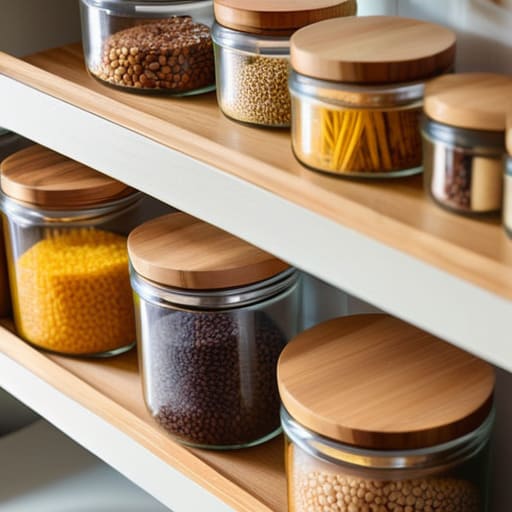
Look, you don’t need a custom-built walk-in pantry to stop the chaos. Most of the time, the mess comes from things hiding in the dark corners of your shelves. My first rule for effective pantry organization hacks is to ditch the original packaging for anything you buy in bulk. I started transferring my grains, pastas, and snacks into clear, airtight containers—it’s not just about the aesthetic; it’s about being able to see exactly when you’re running low so you don’t end up overbuying at the store.
If you’re working with limited real estate, you have to think vertically. Most people leave way too much empty air between their shelves. I use stackable bins or even small tiered organizers to create “levels” within a single shelf. This is one of those small kitchen storage solutions that actually changes your daily workflow. Instead of digging through a mountain of boxes to find a bag of flour, you just pull out the bin. It turns a scavenger hunt into a quick, mindless grab, which is exactly what you need when you’re trying to get dinner on the table after a long shift.
Mastering Small Kitchen Storage Solutions Without the Stress
If you’re living in a place where the kitchen feels more like a Tetris game gone wrong, I get it. When you don’t have endless custom cabinetry, you have to stop thinking about where things should go and start looking at how you actually move. I’ve learned that maximizing countertop space isn’t about buying more stuff; it’s about getting the stuff you already use off the surface and into a system. If your toaster and blender are hogging the only square foot of workspace you have, it’s time to reclaim it.
I’m a huge advocate for verticality. If your cabinets are a graveyard of mismatched Tupperware, try some basic cabinet decluttering tips like using stackable shelf risers. They’re cheap, they work, and they instantly double your usable area without a renovation. Also, don’t sleep on your drawers. Investing in a few decent kitchen drawer dividers can be the difference between a frantic search for a spatula and a kitchen that actually supports your workflow. It’s not about having a Pinterest-perfect aesthetic; it’s about making sure you can actually make a sandwich without moving ten different appliances first.
Five Low-Cost Ways to Stop the Kitchen Chaos
- Stop buying fancy matching containers for everything. Most of those aesthetic pantry videos are a waste of money. Instead, just grab some clear bins from a discount store or even reuse clean glass jars from your pasta sauce. The goal is visibility, not a showroom look. If you can’t see it, you won’t use it, and then it just becomes expensive clutter.
- Group your tools by how you actually use them, not how they look. I keep my most-used spatula and wooden spoon right in a crock next to the stove, not tucked away in a deep drawer where I have to dig for them every time I turn on the heat. If you reach for it every single day, it should be within arm’s reach.
- Use the “one-in, one-out” rule for your gadgets. We’ve all been guilty of buying a specialized tool for one specific recipe that we used once in 2022. If you haven’t touched that avocado slicer or garlic press in six months, it’s taking up prime real estate. Let it go so you have room for the stuff that actually works.
- Maximize your vertical space before you go out and buy more cabinets. I’m a huge fan of command hooks for measuring cups or even small tension rods under the sink to hang spray bottles. Most people ignore the actual height of their walls, and that’s where the easiest storage wins are hiding.
- Dedicate one specific “landing zone” for your mail and miscellaneous junk. I used to let receipts and grocery lists scatter across the counter, which made the whole kitchen feel messy no matter how clean it was. Now, I have one small tray or a specific corner for that stuff. It keeps the chaos contained so the rest of your workspace stays functional.
The Bottom Line: Keep It Functional, Not Fancy
Stop chasing the “aesthetic” you see on social media; if a container looks pretty but makes it harder to find your salt, it’s a waste of money and space.
Organize by frequency of use—the stuff you grab every single morning belongs front and center, while the seasonal gear can live in the back or high up.
Treat your kitchen like a workflow, not a museum; group your tools by how you actually use them so you aren’t hunting for a spatula in the middle of cooking dinner.
The Reality of a Functional Kitchen
“Forget the Pinterest-perfect glass jars and color-coded bins; real kitchen organization isn’t about looking like a showroom, it’s about making sure you can actually find the salt while you’re halfway through cooking dinner.”
Owen Silas Vance
Making It Stick
At the end of the day, organizing your kitchen isn’t about buying a dozen matching glass jars or following some high-end aesthetic you saw on social media. It’s about making sure you can actually find the salt when you’re halfway through making dinner, and ensuring your pantry doesn’t become a graveyard for expired cans. Whether you’re grouping your spices, utilizing vertical space in a tiny apartment, or just clearing off the counters to reclaim some breathing room, the goal is functional simplicity. You don’t need a massive budget or a professional organizer; you just need a system that actually works for the way you live. Once you stop overthinking the perfection and start focusing on accessibility, the stress of a messy kitchen starts to fade.
I know how it feels to look at a cluttered space and feel like you’ve already lost the battle before you’ve even started. But remember, competence in your home is a skill you build one drawer at a time. You don’t have to overhaul the entire room this weekend; just pick one corner, one shelf, or one cabinet and get it sorted. Small wins lead to better habits, and better habits lead to a life that feels much more manageable. You’ve got the tools and the plan, so just start doing it. Your future, less-stressed self will thank you.
Frequently Asked Questions
I don't have much extra cash—are there ways to organize my kitchen using stuff I already have instead of buying expensive clear bins?
Look, you don’t need a $50 haul from a home goods store to fix this. I grew up in a house where we used whatever was on hand, and honestly, it works better. Grab some old glass jars from pasta sauce or pickles—wash them out, peel the labels, and use them for spices or grains. Empty shoe boxes or even sturdy delivery boxes can become drawer dividers if you cut them to size. Stop waiting for a budget surplus to get organized. Just use what you’ve got.
How do I keep my counters clear when I actually have a lot of small appliances I use every day?
Look, I get it. Between the coffee maker and the air fryer, your counters can start looking like a cluttered appliance showroom. My rule is simple: if you don’t touch it daily, it shouldn’t be on the counter. For the stuff you do use, try a dedicated “station”—group your coffee pods, sugar, and machine on a small tray. It defines the space and makes it feel intentional rather than just messy.
I'm always losing things in the back of my cabinets; how do I set things up so I can actually see everything I own?
The “black hole” cabinet is a classic problem, but you don’t need a total remodel to fix it. Start by ditching the deep, chaotic stacks. Use clear, stackable bins or even lazy Susans for those corner spots—if you can spin it, you can see it. I also swear by pull-out drawer organizers for deep lower cabinets. If you can’t reach it or see it, you’ll end up buying a duplicate. Stop digging and start grouping.